Food Allergy & Anaphylaxis
A severe allergic reaction can become life-threatening within minutes. Consumer Rights Law represents people harmed after restaurants, caterers, hotels, schools, delivery orders, and other food businesses failed to reasonably address a known allergy risk or served food containing an unexpected allergen.
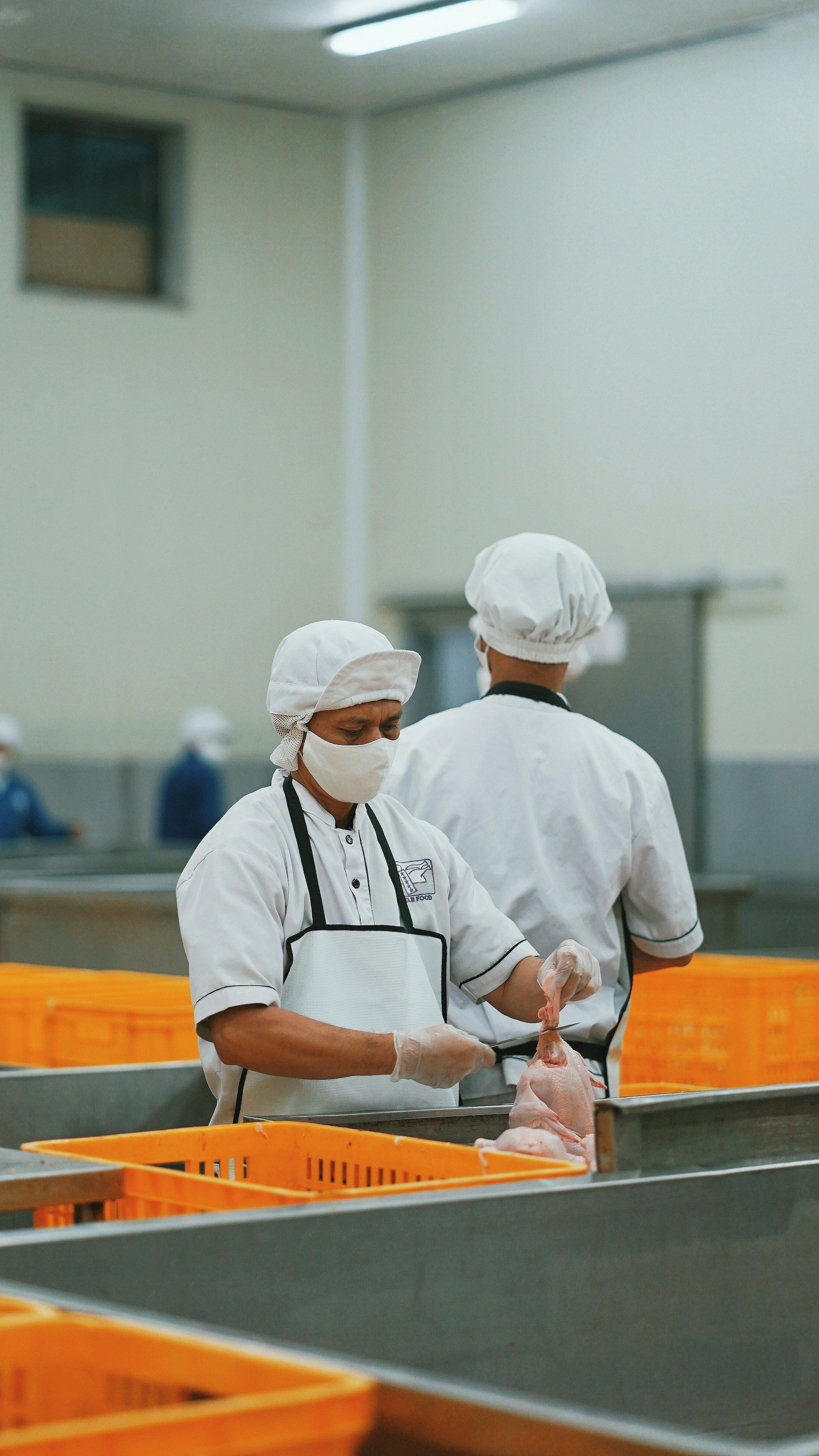
- Cross-contamination during food preparation
- Failure to disclose known allergens in a dish or product
- Ignoring a disclosed allergy warning before service
- Mislabeled food that triggered a serious reaction
- Unsafe food handling that put an allergic consumer at risk
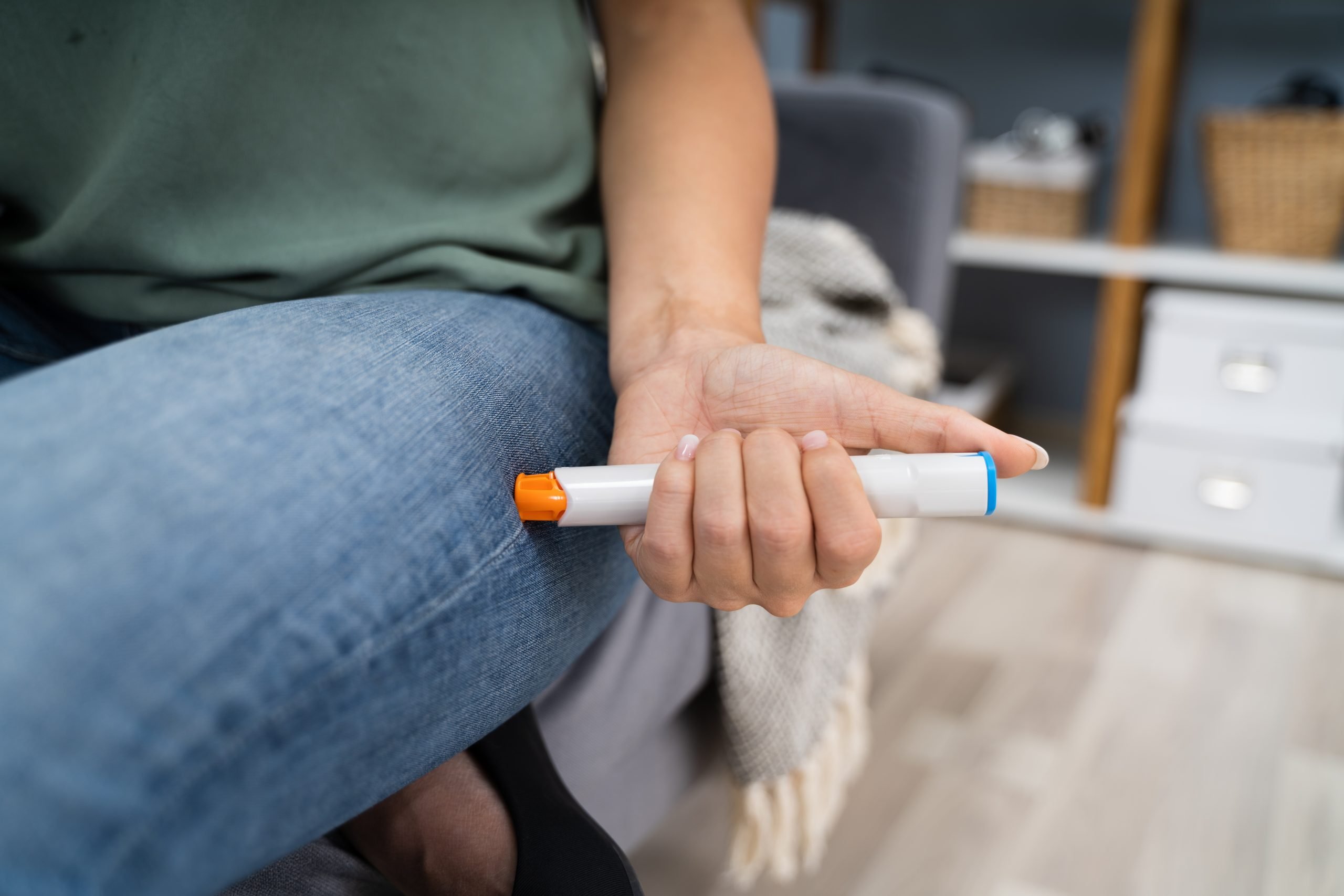
- Reactions requiring EpiPen administration or emergency hospitalization
Food Allergy & Anaphylaxis Claims
These cases are highly fact-specific. We investigate what the consumer communicated, what the business represented, how the order was handled, possible cross-contact, ingredient information, staff communications, and the medical evidence connecting the food exposure to the reaction.
A disclosed food allergy was not communicated to the kitchen
The wrong meal or ingredient was served after an allergy warning
Cross-contact may have introduced an allergen into an otherwise safe meal
A menu, label, employee, or business made a representation about allergen safety
Anaphylaxis required epinephrine, emergency care, hospitalization, or other treatment

What Compensation May Be Available
If a food allergy incident caused serious harm, available damages depend on the facts and may include:
Emergency room, ambulance, and hospitalization expenses
Epinephrine and other emergency treatment costs
Lost income and time away from work
Pain, suffering, and emotional distress tied to the reaction
Ongoing medical care and other documented long-term effects
What Clients Ask us Most
What compensation might I recover?
Depending on the facts of your case, compensation may include emergency medical expenses, the cost of epinephrine and follow-up treatment, pain and suffering, lost wages, and other damages caused by the reaction. Every case is different — the best way to understand what your case may be worth is to speak with us directly. There is no charge for the consultation and no fee unless we win.
What types of cases does Consumer Rights Law handle?
We handle cases involving undisclosed allergens, cross-contamination during food prep, failure to honor allergy warnings at the point of service, and mislabeled food that triggered a serious reaction. If you experienced anaphylaxis, administered an EpiPen, or required emergency medical care following a food-related allergic reaction, we want to hear from you.
What if the restaurant says it was just a mistake?
A mistake is forgetting to add an ingredient. Serving a customer food that you were told could send them to the hospital is a consumer safety failure — and businesses are legally responsible for the harm that results from preventable risks. "We didn't mean to" is not a defense when the warning was given and ignored.
Do I have a case if I had to use my EpiPen but didn't go to the ER?
Yes. Having to administer epinephrine is medical evidence of a serious reaction. You do not need a hospital bill to have a valid claim. The severity of your reaction, your documented allergy history, the circumstances of the incident, and any medical records connected to the event all matter. Contact us and we will evaluate your situation at no cost.
Do I have a case if I told the restaurant about my allergy and they still served me something I reacted to?
Yes. Disclosing your allergy and still being served a triggering food is one of the clearest forms of food service negligence. When a business receives an allergy warning and fails to act on it — whether through miscommunication, carelessness, or cross-contamination — they can be held responsible for the harm that results. You do not need to prove intent, only that their failure caused your injury.
Practice Areas & How We Can Help