
You Had a Reaction at a Miami Food Hall. The Receipt Says the Food Hall. The Kitchen Belongs to Someone Else. Who Do You Actually Sue?
Allergy & Food Safety Injuries
Shared-kitchen dining has grown faster than most people's understanding of who is legally responsible inside it. Getting the defendant right is the first and most consequential decision in the case.
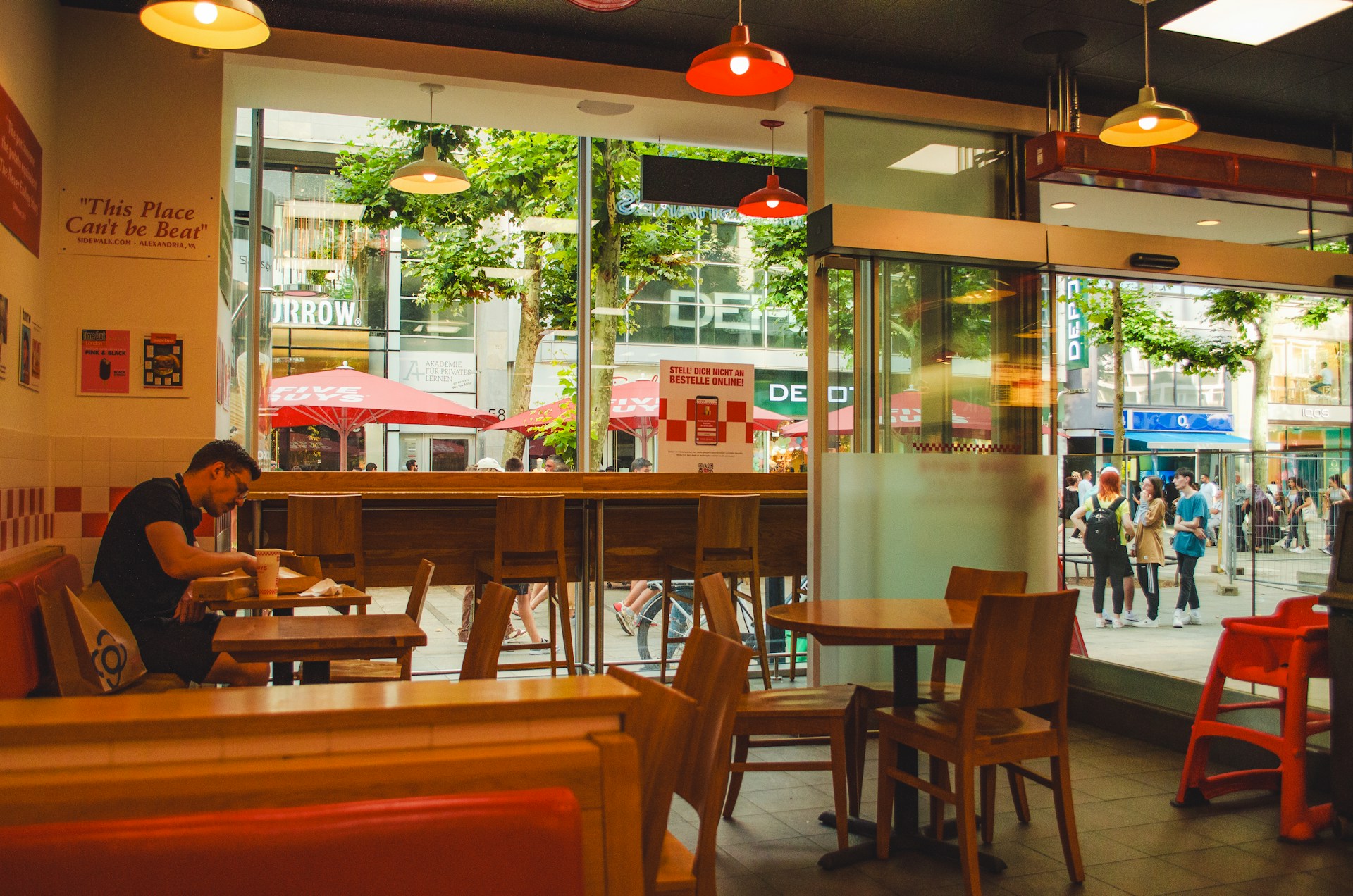
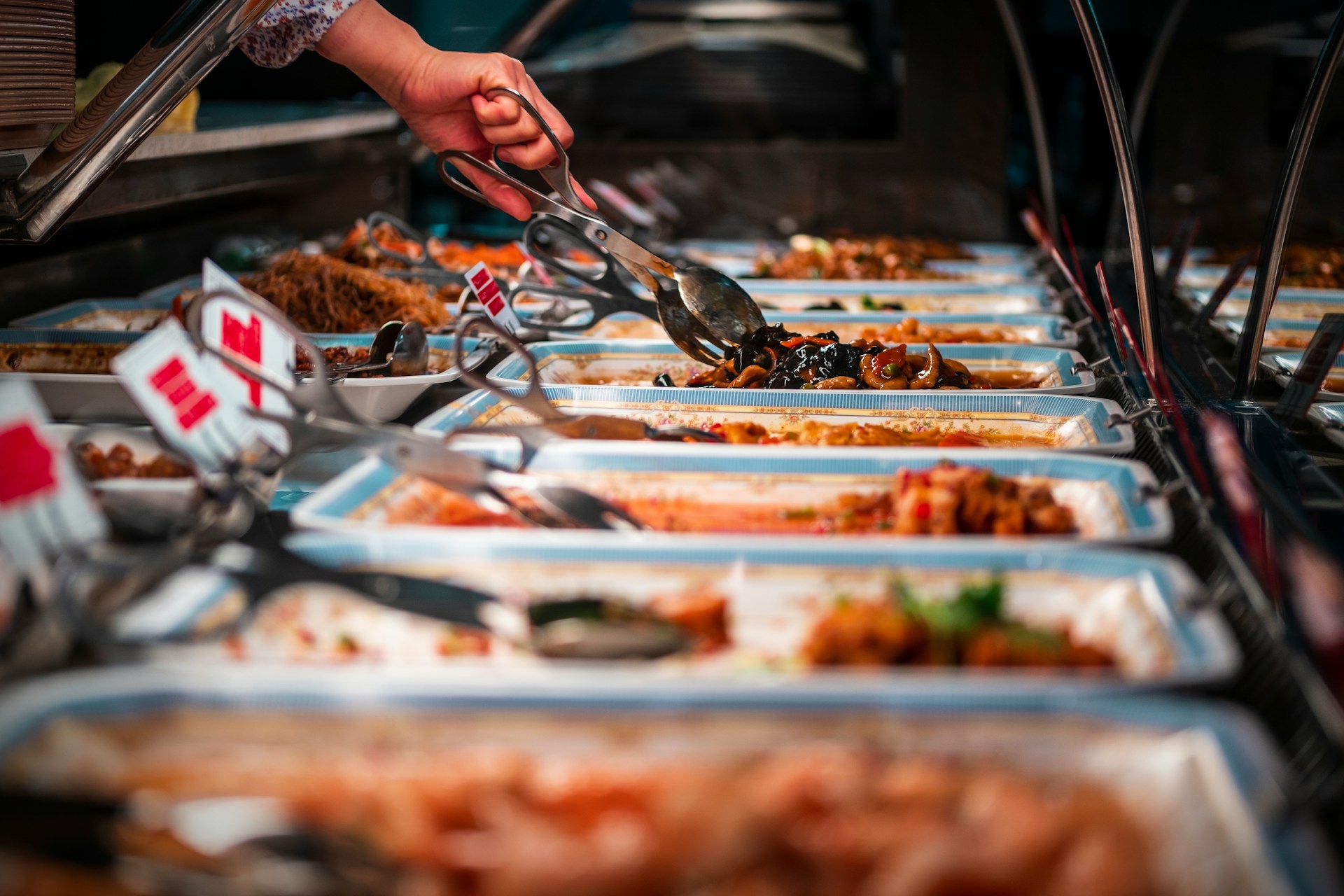
Food halls have reshaped how South Florida eats. A dozen or more independent concepts under one roof, one set of communal tables, often one payment system, sometimes one shared back-of-house.
For a diner with a severe food allergy, that model introduces risks that a standalone restaurant does not. And when a reaction happens, it introduces a legal problem that has to be solved before anything else: figuring out who the defendant is.
Why the Structure Creates Real Risk
The hazards in a shared-kitchen environment are structural, not incidental:
- Shared fryer oil across concepts, so a seafood vendor's fryer may also cook a neighbor's items.
- Shared prep surfaces, cutting boards, and equipment in a common back-of-house.
- A shared dish and utensil wash, returning equipment into general circulation.
- Communal condiment, topping, and utensil stations touched by hundreds of hands.
- Tightly packed lines where flour, sesame, or nut dust travels.
- Staff moving between stations during a rush.
- Vendors that rotate in and out, so today's operator is not last month's.
- Virtual brands — a menu that exists only in an app, cooked in a kitchen bearing a different name entirely.
Add to that a practical problem: at a counter during a lunch rush, there is often no manager to ask, no printed allergen matrix at the stall, and no single person who knows what happens in the shared areas.
Every Stall Is Its Own Establishment — Usually
Florida licenses public food service establishments through the Division of Hotels and Restaurants within the Department of Business and Professional Regulation. In most food halls, each vendor holds its own license under its own legal entity, even though the customer experiences the whole thing as one business.
That has two consequences. First, the operating company behind the stall is frequently a small LLC with modest insurance. Second, the hall operator — often a much larger and better-insured entity — is not automatically responsible simply because the reaction happened inside its building.
Florida's 2023 allergen requirements, reaching sections 509.039, 509.049, and 509.101, attach to public food service establishments. Each licensed vendor is subject to them: allergen training for managers and employees including cross contamination protocols, display of common allergens, and customer notice regarding the obligation to inform a server of an allergy. A stall cannot avoid those obligations on the theory that it is small or shares space.
When the Hall Operator Is Also Responsible
The hall operator is frequently the more meaningful defendant, and there are several legitimate routes to reaching it. Which ones apply is a factual question answered by documents, not by assumption.
Its own direct negligence
Where the operator controls and maintains shared infrastructure — common fryers, shared prep areas, dish and utensil washing, communal condiment stations, ventilation — failures in those systems are the operator's own conduct, not a vendor's. This is often the cleanest theory.
Its own food service operations
Many halls run their own bar, coffee program, dessert counter, or shared seating service. Where the operator is itself serving food or drink, it is a public food service establishment in its own right, with the same duties as any restaurant.
Premises liability
As the possessor of the premises, the operator owes invitees a duty of reasonable care in maintaining the property and warning of concealed dangers it knows or should know about.
Its own representations
If the hall markets itself as a unified experience, publishes menus for its vendors, runs a single ordering app, promotes allergen accommodation, or presents vendors as part of its own brand, those are representations by the operator. Where a customer relied on them, that is a direct claim rather than a derivative one.
Agency principles
Florida recognizes apparent agency where there is a representation by the purported principal, reliance on it by a third party, and a change in position in reliance — the framework the Florida Supreme Court set out in Mobil Oil Corp. v. Bransford, 648 So. 2d 119 (Fla. 1995). Branding alone is not enough. Substantial apparent control is the question, and it is answered by looking at how the hall actually presented itself.
Ghost Kitchens and Virtual Brands
A related problem deserves its own mention. A growing share of delivery orders come from brands that exist only online. The name on the app, the name on the bag, and the name on the kitchen's license can be three different things.
When a reaction follows an order from a virtual brand, identifying the physical kitchen that actually prepared the food is step one — and it is not always obvious from anything the customer received. Order records, delivery platform data, and licensing records are how that gets resolved. Where the allergy was noted in the app's special instructions and never reached the line, the failure point may sit with the brand operator, the kitchen, the platform, or more than one of them.
How to Identify the Right Entities
This is solvable, and much of it can be started immediately:
- Keep the receipt and look at the legal entity name printed on it, which frequently differs from the trade name on the sign.
- Photograph the stall signage, the posted license, any allergen notice, and the menu board.
- Save the order confirmation, app record, and payment record — card statements often reveal the actual merchant name.
- Check the DBPR license records for the address to see which establishments are licensed there.
- Check Florida's corporate records to identify the operating entity, its officers, and its registered agent.
- Photograph the shared areas — fryers, condiment stations, utensil bins — if you can do so safely.
- Note which staff you spoke to, at which counter, and what they said.
- Send written preservation demands to both the vendor and the hall operator, covering surveillance video, incident reports, staffing records, and vendor agreements.
The vendor-operator agreement is often the single most useful document in these cases, because it allocates control over shared equipment, food safety, training, and cleaning. It is not public, but it is discoverable.
Why Getting This Right Matters So Much
Florida's negligence deadline is two years for causes of action accruing on or after March 24, 2023. Filing against the wrong entity and discovering the error late can consume that window, and an amendment naming the correct party may not always relate back.
There is also a practical dimension. A judgment against a thinly capitalized stall LLC with minimum coverage may be worth far less than a claim properly framed against the operator whose shared fryer caused the exposure.
The Takeaway
Shared-kitchen dining does not reduce anyone's legal obligations. It distributes them — across a vendor, an operator, and sometimes a platform. Sorting out that distribution is the work, and it starts with the receipt in your pocket.
If you think you may have a case, Consumer Rights Law, PLLC offers free consultations and works on contingency — you pay nothing unless we win. Call (786) 360-7697 or visit consumerrights.law.
Consumer Rights Law, PLLC — Prior results do not guarantee similar outcomes. This content is for informational purposes only and does not constitute legal advice or create an attorney-client relationship.