
You Had an Allergic Reaction to Prepared Food From a Florida Grocery Store. The Store May Be Liable — Here's Why.
Allergy & Food Safety Injuries
Florida's allergen labeling laws apply to grocery store delis, bakeries, and prepared food sections — not just restaurants. Here's what that means for your rights.
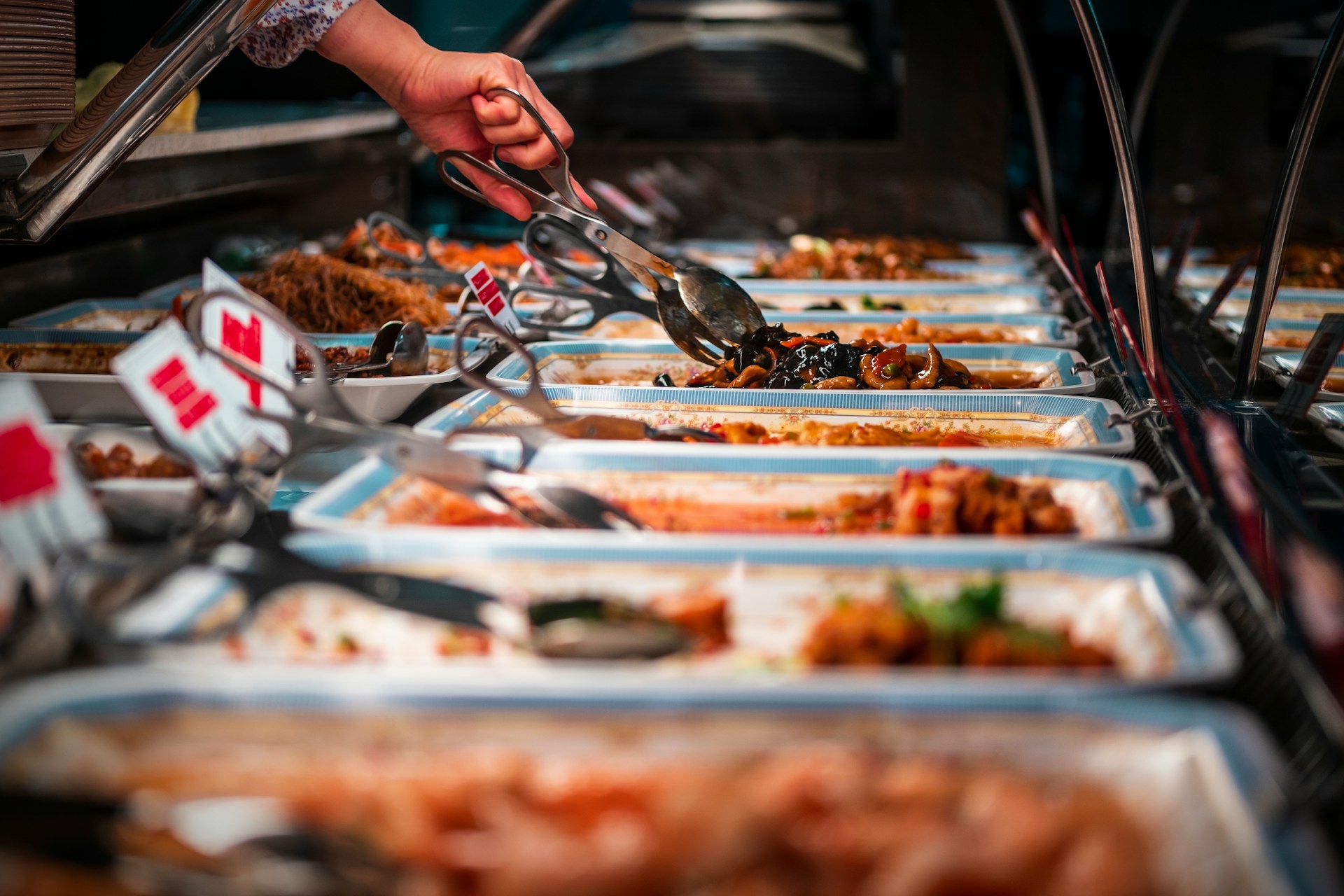
When people think about food allergy lawsuits, they typically think about restaurants. But a significant — and often overlooked — category of allergy injuries happens at grocery stores: in the prepared food section, at the deli counter, at the in-store bakery, or from freshly made items sold under the store's own brand.
Publix. Winn-Dixie. Costco. Trader Joe's. Whole Foods (already widely covered). Every one of these chains operates a prepared food department where allergen information is often incomplete, inconsistently communicated, or missing entirely. In Florida, that may be legally actionable.
What Makes Grocery Store Prepared Food a Unique Allergen Risk
Packaged, shelf-stable food sold in a grocery store is generally covered by the Federal Food Allergen Labeling and Consumer Protection Act (FALCPA), which requires the Big 9 allergens to be declared on labels. But that law has important gaps when it comes to freshly prepared food.
Items made fresh in the store — rotisserie chickens seasoned with undeclared ingredients, deli salads prepared in the same containers used for dairy-containing dishes, bakery items made on shared equipment, sushi counters that use sesame oil — often fall into a legal gray area where labeling requirements are less stringent. Florida law steps in to fill some of those gaps, but the patchwork nature of the rules means that many consumers don't know what they're actually entitled to.
What Florida Law Requires From Grocery Store Food Service Departments
As of July 1, 2023, Florida Statute Chapter 509 — which governs public food service establishments — applies to any operation that prepares food for sale or service to the public, including grocery store deli counters, in-store bakeries, hot food bars, prepared food sections, and juice bars.
Under Florida law, these operations must:
Train at least one certified manager in food allergy awareness and protocols. That manager must have completed an approved training program — the same requirement that applies to restaurant managers under the 2023 law.
Provide allergen information on request. Florida food service establishments — including grocery store food service operations — must maintain a master ingredient list on the premises and make it available to customers who ask. If you ask a Publix deli employee whether a prepared item contains a specific allergen, they have a legal obligation to either provide accurate information or to tell you they don't know and direct you to someone who does.
Take reasonable steps to prevent cross-contamination. This includes equipment cleaning protocols, segregation of allergen-containing ingredients, and training for food handlers.
The 2023 Florida law is more detailed than what existed before, but it is also not uniformly enforced across the state. Many grocery store food service operations — particularly smaller chains and independent stores — are still not in full compliance.
The Allergen That's Now Legally Required to Be Disclosed — But Often Isn't
Sesame became the ninth legally required allergen under federal law on January 1, 2023, under the FASTER Act. But sesame is hidden in a remarkable number of grocery store prepared foods: hummus, tahini-based sauces, many Asian-style prepared dishes, certain bread products, and oils used in prepared food cooking.
The FDA's increased enforcement of sesame labeling requirements means that grocery stores — including their prepared food departments — now face heightened scrutiny on this allergen specifically. If you suffered a sesame allergy reaction from a grocery store prepared food item in 2023 or later, the legal framework is more favorable to you than it would have been before that date.
Specific Situations That May Generate Legal Liability
The deli salad with an unlabeled allergen. A prepared salad, pasta dish, or wrap made in-store with no ingredients list posted, or with an inaccurate one, is a potential negligence claim if you have a reaction.
The "allergen-free" item that wasn't. If a store employee affirmatively tells you that a prepared item is free of your allergen and it is not, that misrepresentation may give rise to additional claims beyond standard negligence.
Cross-contamination at the deli counter. A deli that slices tree nut-containing products and then uses the same slicer — or the same surface — for items you ordered creates a cross-contamination risk. If the store was aware of your allergy and took no steps to prevent cross-contact, that may be actionable.
Mislabeled packaged prepared food. Food that is packaged in-store — even if manufactured externally — must comply with applicable labeling requirements. A package that omits a major allergen may support both a negligence claim and, in some cases, a strict product liability claim.
What to Do If You Had a Reaction to Grocery Store Prepared Food in Florida
Keep the packaging or a receipt. If the item was packaged, keep the entire container, including the label. Photograph everything.
Report it to the store. Ask to speak with a manager. Report the incident and your reaction, and request their incident report.
Report it to the Florida Department of Business and Professional Regulation (DBPR). The DBPR oversees public food service establishments in Florida, including grocery store food departments. Filing a complaint creates a public record and may trigger an inspection.
Seek medical attention and keep all records. Your medical records documenting the reaction are foundational to any legal claim.
Do not delay speaking to an attorney. Florida's statute of limitations for personal injury cases is two years from the date of injury. Evidence deteriorates quickly — allergen test results on retained food samples, incident reports, and witness memories all become harder to access with time.
The Same Rules Apply at Costco, Whole Foods, and Chain Grocery Stores
One common misconception is that major national chains operate under different legal standards than smaller local stores. They do not. A Costco food court that serves items containing undeclared allergens, a Trader Joe's prepared food section with incomplete ingredient information, or a Whole Foods hot bar that cross-contaminates allergen-restricted items — each is subject to the same Florida food service law and the same duty of care as any standalone restaurant.
The size of the company may, however, affect the resources available to fight a claim — and the significance of the documentation you collect from the start.
If you think you may have a case, Consumer Rights Law, PLLC offers free consultations and works on contingency — you pay nothing unless we win. Call (786) 360-7697 or visit consumerrights.law.
Consumer Rights Law, PLLC — Prior results do not guarantee similar outcomes. This content is for informational purposes only and does not constitute legal advice or create an attorney-client relationship.